Risk Factors for Bruxism
Bruxism affects 10 percent of adults in the U.S., according to the American Sleep Association. If you've never heard of bruxism, the medical name itself may be throwing you off. In plain English, bruxism is grinding or clenching your teeth.
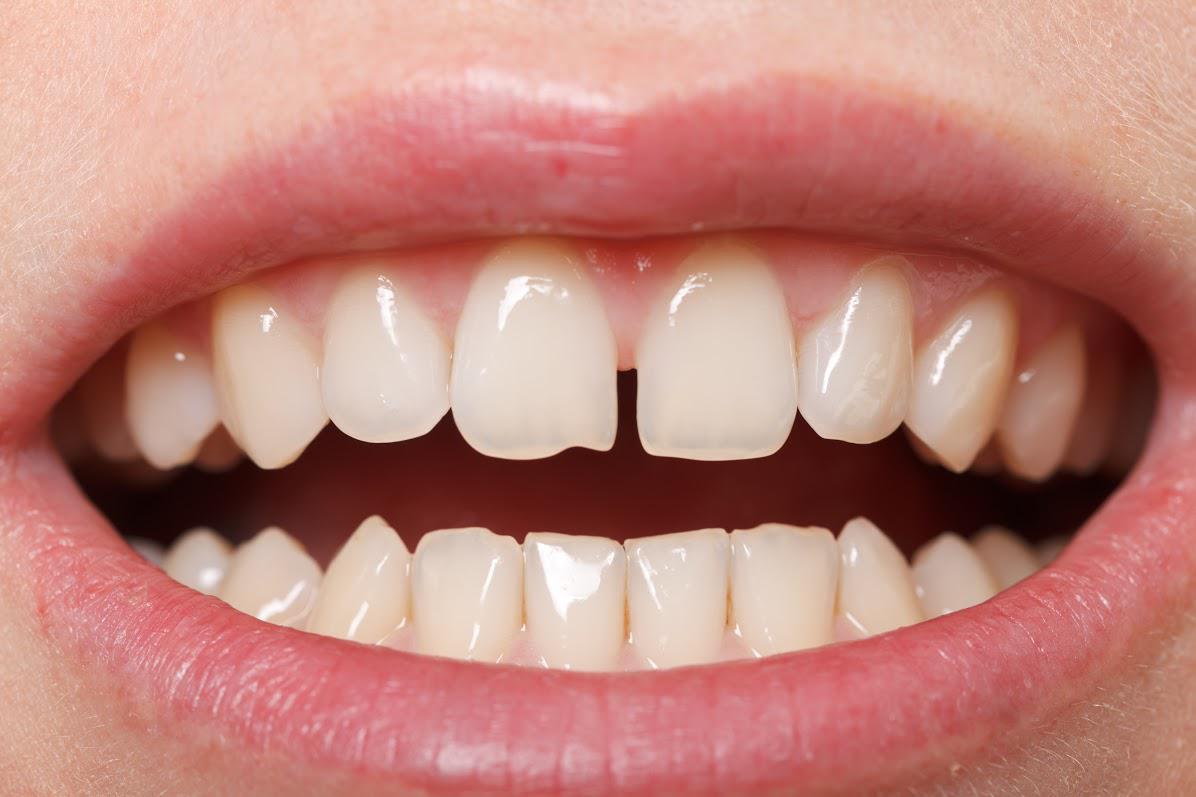
This condition goes beyond a once in a while clench or a temporary stress-related gnash. Patients with bruxism consistently clench and grind their teeth while they sleep or unconsciously when they're awake. In the mildest forms, bruxism may not affect the patient's daily life or health. But moderate to severe bruxism can cause headaches, jaw problems, worn enamel, face pain, sleep disturbances, and chipped or damaged teeth.
Dentists and doctors don't have a clear picture of what causes bruxism, but they can treat it. Treatment requires a positive diagnosis by a professional (dentist or physician). If you think that you may have bruxism, you'll need an evaluation. Along with looking for specific symptoms and signs, the dentist will also ask about risk factors. Take a look at the top factors that may increase the risk of bruxism.
Genetics
Patients who have family members with the condition tend to also have it themselves. Genetics are behind more than a few medical conditions and health issues. Your parents, grandparents, and the rest of your family tree provide the building blocks for who you are. From your eye color to whether you grind your teeth, genetics provide a way to pass traits down through the generations.
Not every health-related concern is genetic, though. With that in mind, researchers have tested the idea that bruxism is a hereditary condition. A literature review published in the journal Oral Rehabilitation revealed that after reviewing recent research on the subject (of bruxism and genetics), the condition does run in families.
What does this mean for you? If one, or both, of your parents is a grinder and a clencher, you may have the problem too.
Medications
Side effects from prescription medications go well beyond headaches, tummy troubles, and a rash. Some medications, primarily antidepressants, raise the risk of developing bruxism. Common antidepressants such as Paxil, Zoloft, and Prozac have been known to cause bruxism in some patients.
Even though teeth clenching or grinding has been associated with antidepressant use, this side effect shouldn't sway you from using these types of medications if your doctor feels that they are beneficial and medically indicated. Depression is a serious disease that requires treatment.
If you develop medication-related bruxism, your doctor and dentist can work together to come up with an acceptable plan that alleviates your facial pain while still treating your depressive symptoms.
Along with prescription medications, substances such as alcohol, tobacco, and caffeine can also raise the risk of developing (or worsen) bruxism.
This doesn't mean that using these substances will cause grinding and clenching. But there is research pointing to an association between the use of these substances and the dental-motor condition.
Stress
Your mental state may contribute to clenching and grinding. Stress and anxiety are common risk factors that increase the likelihood of developing bruxism. Your mental state itself doesn't cause the grinding. Instead, the way you handle excess stress is the likely culprit behind this condition.
Along with stress and anxiety, anger and frustration can also lead to bruxism. While an anxious or angry mental state raises the risk, the resulting grinding and clenching is typically a temporary problem. Learning how to handle stress or removing the stressor can also make the bruxism go away.
Do you suspect that you have bruxism? Contact Gregory S. Rutherford, DDS, PA for individualized treatments for your bruxism and any other dental conditions.